
Article
Visit Baton Rouge
Baton Rouge Sports Review: 15 Years of Momentum, Milestones & Measurable Impact


Over the last 15 years, Baton Rouge has transformed into one of the nation’s most dynamic and fast-rising sports destinations. Backed by powerhouse collegiate athletics, a community of sports experts, and a growing network of high-quality venues, the city has steadily sharpened its focus on sports tourism—and the numbers tell the story.
Over the past 15 years, Baton Rouge has hosted:
• 1,212 sporting events
• 887,793 athletes and participants (over 15 years; does not include spectators)
• $834,186,082 in estimated direct economic impact
• $1,351,338,648 in estimated indirect economic impact
*Economic Impact tracked from 2017 – present using Destination International’s Economic Impact Calculator
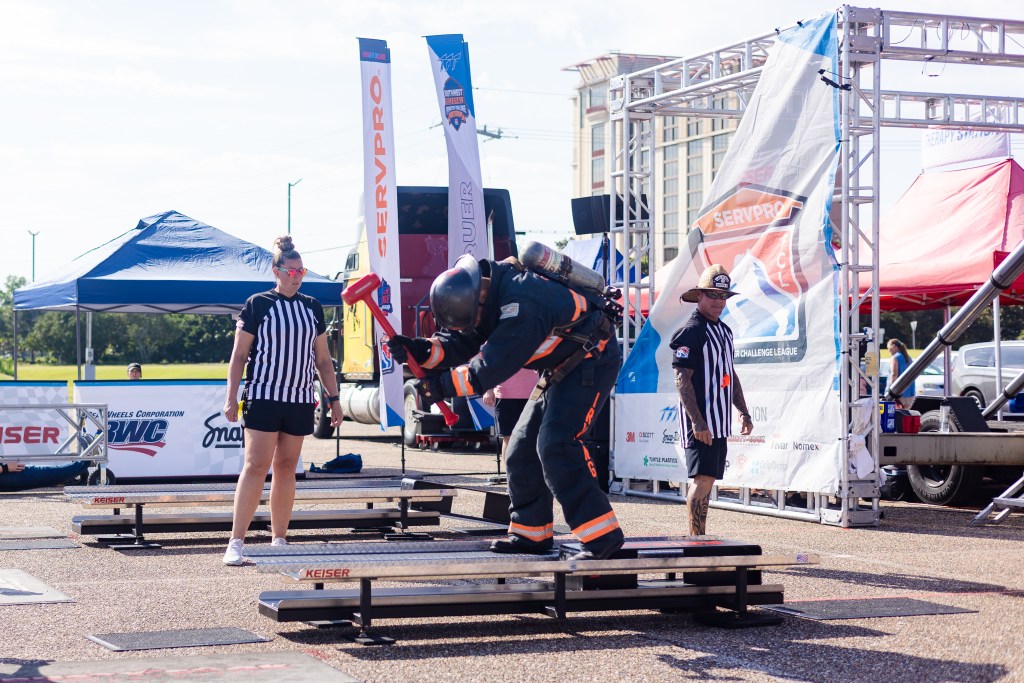
These figures highlight a decade and a half of intentional growth. In recent years especially, Visit Baton Rouge has doubled down on sports tourism, strengthening partnerships, supporting facilities, and leveraging the city’s national visibility as home to LSU and Southern University. The global awareness of these athletic powerhouses continues to fuel demand, positioning Baton Rouge as a premier place to compete, train, and host high-profile events.
A City Built for Competition
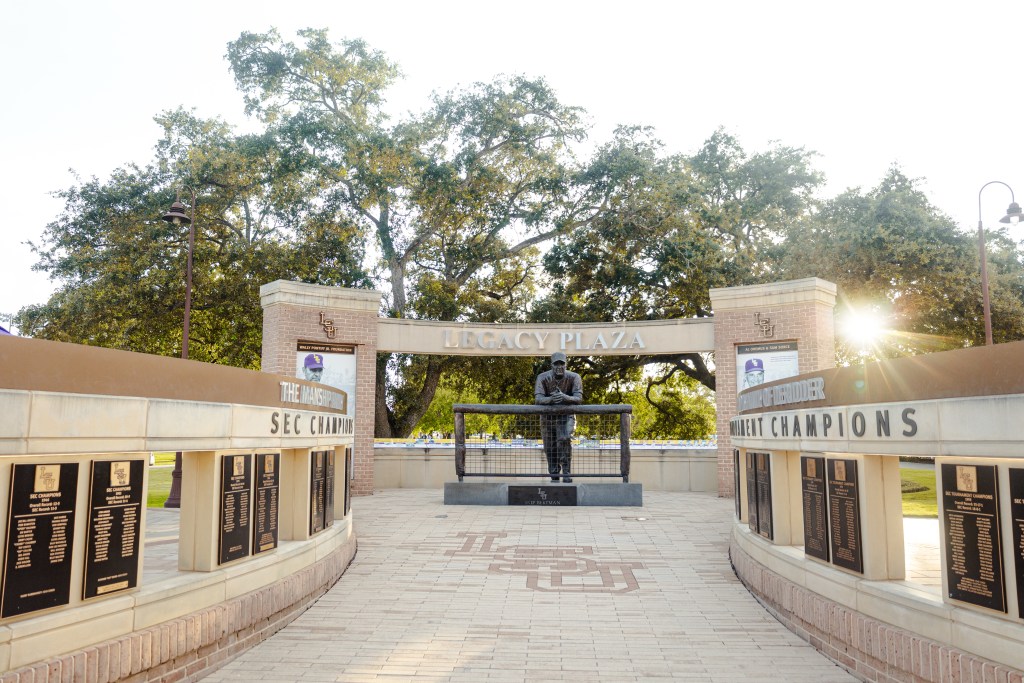
As nearly 900,000 athletes have cycled through Baton Rouge over the last 15 years, the impact has reached far beyond the field. Their presence has directly boosted visitor traffic at local attractions, restaurants, hotels, and entertainment districts—an effect that shows up clearly in the city’s economic impact totals.
This surge is supported by ongoing investments in facilities and parks across the region. Leaders and partners in Baton Rouge understand the value of sports tourism and continue to build, expand, and modernize venues that open the door for larger tournaments, new event categories, and more diverse competition. Every new or upgraded facility strengthens the city’s position as a go-to host.
Growing Segments & Standout Strengths
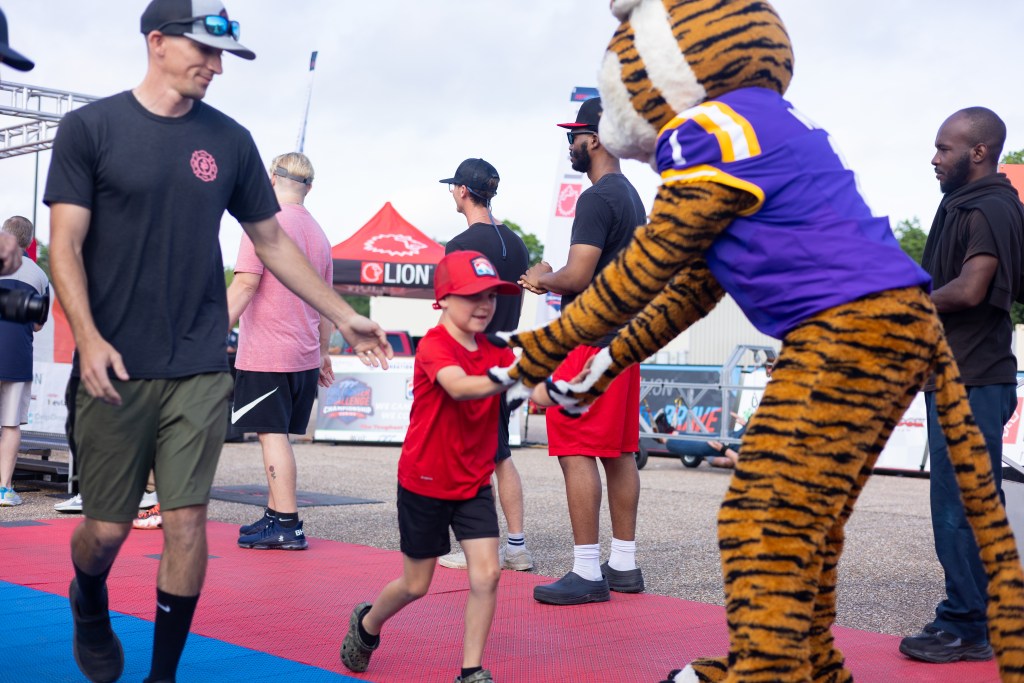
While a full breakdown of segment growth continues to evolve, youth baseball has seen notable momentum—reflecting national trends—along with increased interest in a wide range of amateur and collegiate events. Many of these successes tie back to Baton Rouge’s sports identity, shaped largely by the national reach of LSU and Southern University athletics. Their influence reinforces the city’s credibility and appeal in the sports tourism space.
Strategically, Visit Baton Rouge has focused on strengthening relationships with partners, venues, and event operators. This relationship-driven approach has allowed the team to react quickly to opportunities, solve challenges collaboratively, and secure a long pipeline of returning and new events.
2025: A Milestone Year
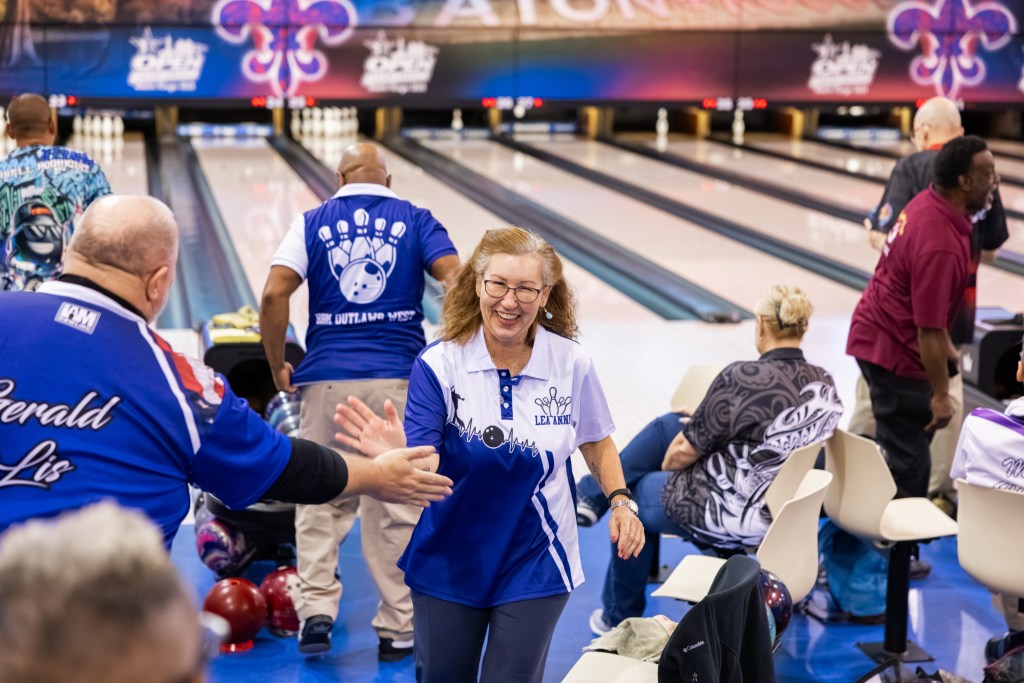
Among the most significant achievements in recent history, 2025 marked a major milestone:
The United States Bowling Congress returned to Baton Rouge with a marathon 150-day tournament series, generating an estimated $150 million in total economic impact. This monumental event further cemented the city’s status as a serious and capable host, proving its ability to support long-duration events with major visitor demand.
Looking Ahead
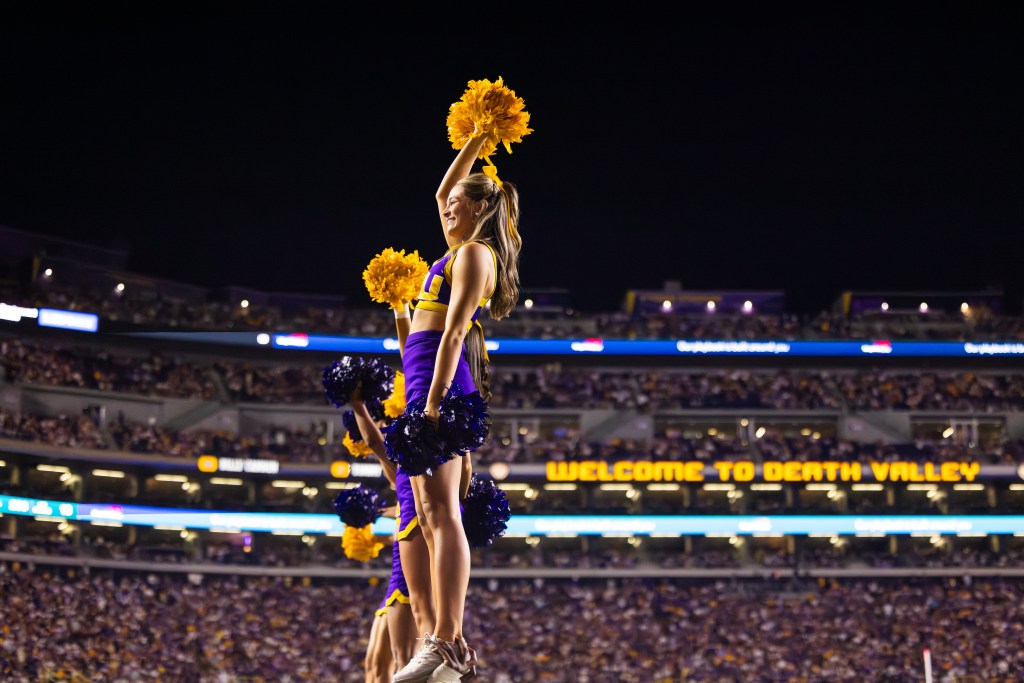
As Baton Rouge plans for the future, the vision is clear: continue expanding and elevating the region’s sports infrastructure. With a laser focus on helping local partners build, enhance, and operate new facilities, Visit Baton Rouge is working to create even more opportunities—both for event organizers and for the community members who benefit from the economic ripple effect.
Fifteen years of data show a destination that is steadily rising, investing intentionally, and building momentum year after year. Baton Rouge isn’t just hosting events—it’s shaping a thriving sports ecosystem that will continue to deliver impact well into the next decade.

Visit Baton Rouge
Baton Rouge is the Home of Champions! Baton Rouge is the capital of Louisiana, better known as Sportsman’s Paradise, and home to both Louisiana State University and Southern University sports teams. With numerous facilities that can accommodate sports ranging from baseball and soccer to waterskiing and golf, the Red Stick takes sports and recreation to the next level. In addition to professional venues, Baton Rouge offers several recreational options through various parks including skating, biking, boating, and kayaking, to name a few. Whether you’re taking it easy or taking it all in, Baton Rouge is where visitors discover everyday richness at your own pace. Unique Culture Baton Rouge boasts a unique culture, where the rhythms of Mardi Gras, the Baton Rouge Blues Festival and other vibrant festivities make the city come alive. Home to several family-friendly attractions like the Louisiana Art & Science Museum and delectable restaurants like Phil's Oyster Bar, we'd look forward to pairing the excitement of your sporting event with a touch of Southern charm, creating an unforgettable experience that extends beyond the playing field. Location & Travel Situated conveniently along interstates 10 and 12, Baton Rouge offers a range of travel options that are easily accessible. If you're arriving by plane, our airport ensures ease with frequent flights via American, United, and Delta to and from five major hubs: Atlanta (ATL), Charlotte (CLT), Dallas-Ft. Worth (DFW), Houston Intercontinental (IAH), and Washington DC (DCA). Within the city, seamless transportation is at your fingertips, ranging from the Capital Area Transit System (downtown) to convenient services like Uber and Lyft, as well as bike rentals for a more active exploration option. Hotels Baton Rouge offers an extensive array of 8,500 hotel rooms within East Baton Rouge Parish. Nestled just minutes away from bustling shopping centers and delightful restaurants, our hotels stand ready to offer exceptional service to both your competitors and their families. Services We will create a genuine partnership with your sporting event by offering financial assistance or tailored incentives for qualifying events. In addition to these incentives, we extend the courtesy of arranging site visits to potential sporting facilities, providing complimentary promotional materials, and comprehensive event marketing and publicity support. Our dedicated team will liaise with venues and hotels to ensure seamless arrangements for you and your team, going the extra mile to create an unforgettable experience. We take pride in offering unique experiences such as lively second lines, opportunities for competitors to capture moments with a baby gator, curated gifts from local artisans, and more, leaving a lasting impression. Post-event, we provide a comprehensive end-of-event report, encompassing insights into economic impact and beyond. We invite you to visit and take in the distinctive and metropolitan experiences Baton Rouge offers, inviting visitors to savor its rich history, vibrant flavors and the warm hospitality of locals—all at their own pace.
Want to post to the Playeasy network?
Create a post