

Event Organizer Shark Tank | 2026 Playeasy Innovators Summit | Part 2
Inside Part Two of the Event Organizer Shark Tank: 8 More Rights Holders on What It Takes to Become a Destination They Build With. Episode 2 of our post-Summit series closes out the Event Organizer Shark Tank from the 2026 Playeasy Innovators Summit in Ann Arbor. Before the guest conversations, Kerri sat down with the Playeasy Platform Company CEO Sean Flaherty, to unpack two new tools built directly from Summit feedback: the Event Experience Network, which lets organizers activate visitor experiences everywhere they host – not just in destinations already on Playeasy – and an upgraded Economic Impact Calculator that turns real visitor engagement data into a report destinations can act on. From there, Kerri sat down with eight more event organizers spanning junior golf, adaptive water skiing, NCAA championships, multi-sport showcases, adult kickball, table tennis, youth hockey, and wheelchair basketball. Here’s what destinations need to know.
Learn more about the Event Experience Network.
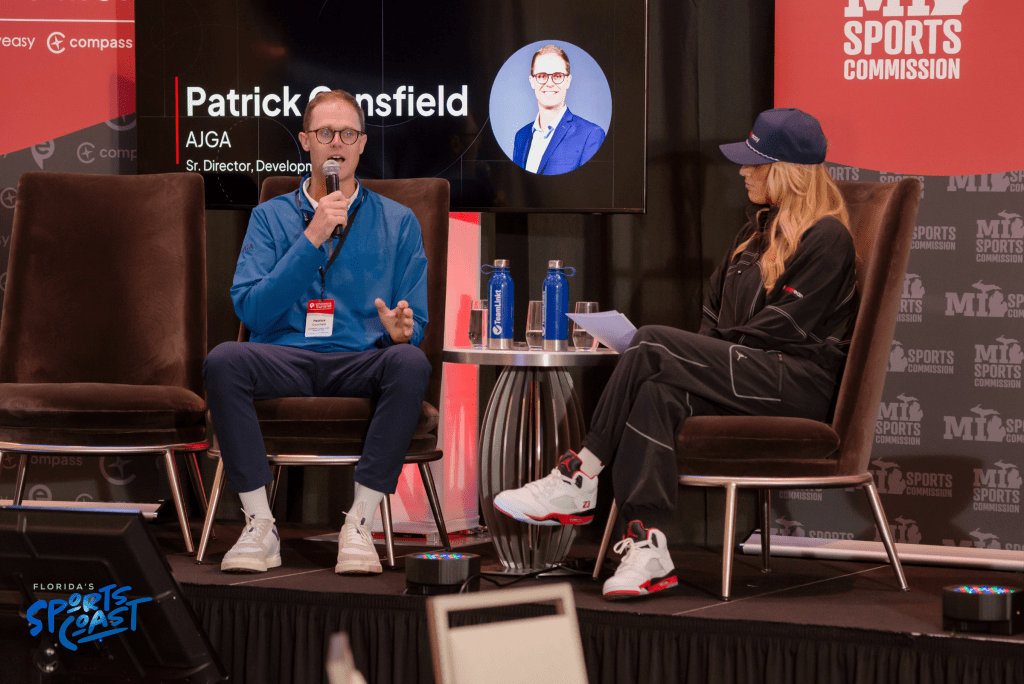
Patrick, American Junior Golf Association – AJGA events typically run as 78-player qualifiers or tournaments needing the host course for only half a day, so clubs can reopen to members for afternoon play – a low-disruption pitch for host facilities. Patrick emphasized how AJGA amplifies local media coverage and publicity for host courses and communities, and teased a first-of-its-kind co-sanctioned event with the LPGA Legends Tour pairing 40 LPGA Legends players with the top 40 AJGA girls.
John, Ann’s Angels Adaptive Waterski Foundation – Ann’s Angels runs about 14 adaptive water ski events a year across Florida and has helped grow 47 adaptive water ski programs nationwide, with a goal of reaching all 50 states. Host sites need a body of water at least two football fields long with a gentle slope or dock for access. John pointed to Visit Central Florida and Polk County as a model partner – one that shows up to volunteer, not just fund – and noted the media exposure adaptive sports generate makes host counties “look like heroes.”

Anthony Holman, NCAA – The NCAA has moved to a three-year bid cycle and is building a modernized bid portal, opening later this year with a 60-day submission window once it launches. Anthony highlighted new one-to-two-page executive summaries designed to help smaller DMO and sports commission staffs quickly assess fit before diving into full RFPs. He called out Salem, Virginia as a standout example of a smaller market that found its niche hosting Division III championships, and flagged individual sports like swimming, diving, and track and field as an underrated opportunity – often delivering more room nights and less bid competition than marquee team sports.

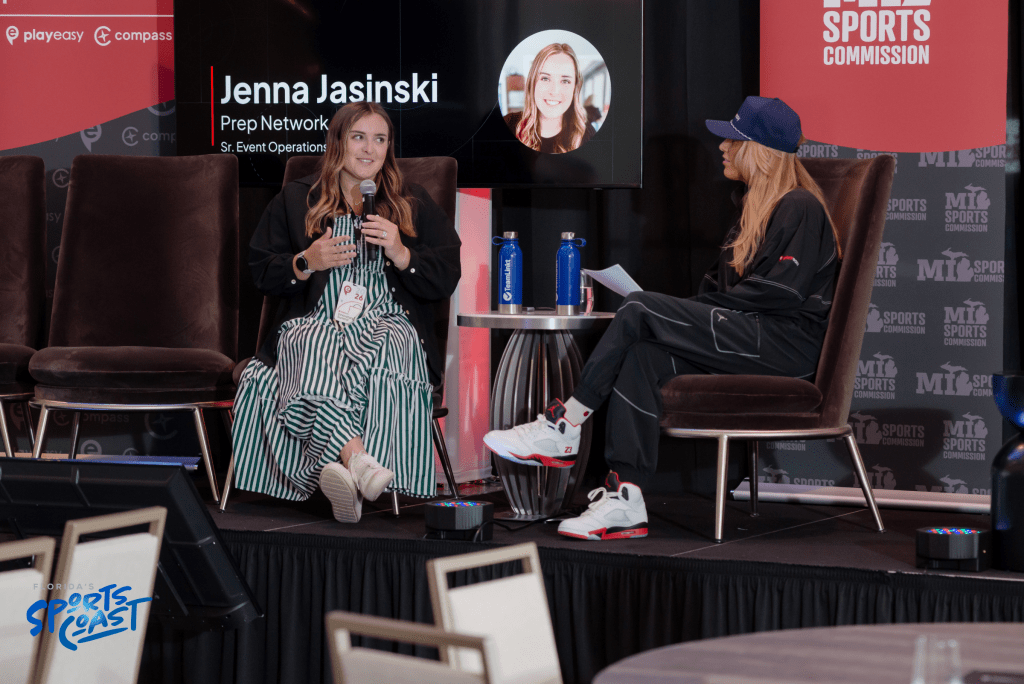
Jenna Jasinski, Prep Network – Prep Network ran roughly 200 showcases and 175 tournaments in 2026, nearly double 2025’s tournament count, and operates across 40–45 states with newer soccer, softball, and lacrosse brands scaling fast. Jenna’s marquee example: Minnesota’s Battle of the Lakes grew from 230 teams to 545 in just two years. Venue needs scale from 4-court venues early on up to 6–10 courts as events mature, but the real ask is communication – down to details like restroom cleaning schedules and AC timing.
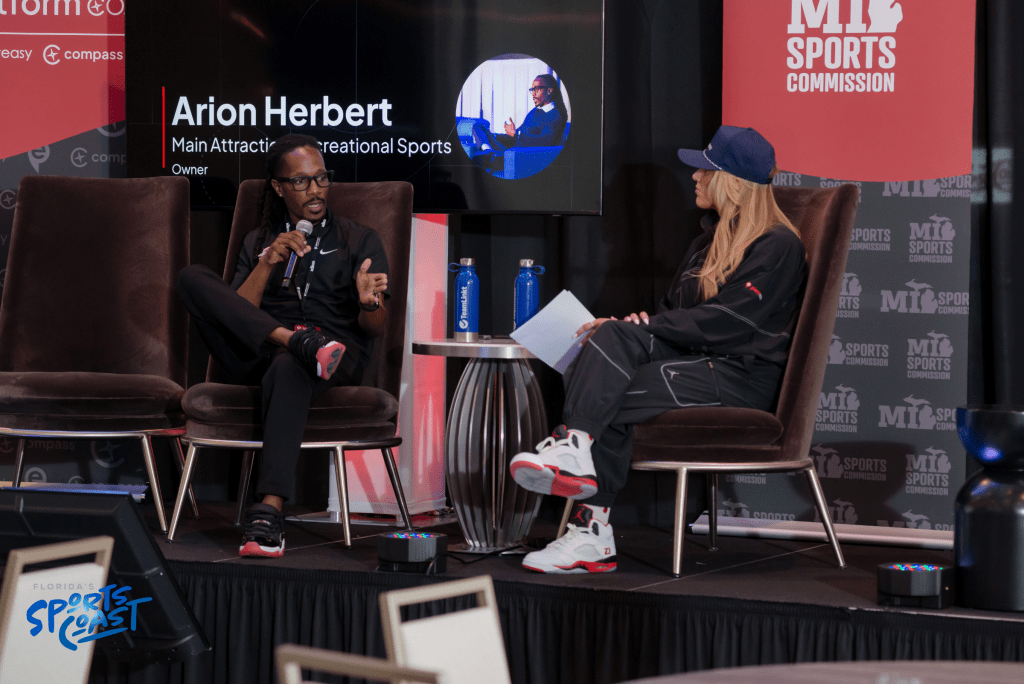
Arion, MARS/Turf Wars – What started as a six-team, 90-player kickball league in Charlotte has grown into an ESPN-streamed brand running events across 14 cities, with close to 200 million earned media views this year. Arion’s venue need is straightforward – three to four full-size soccer fields — but the partnership ask is authenticity: working local spots like Auburn’s Tiger Town into the event experience rather than treating every city the same. MARS also built its own “Rate Your Ref” wristband survey system to improve officiating in real time.
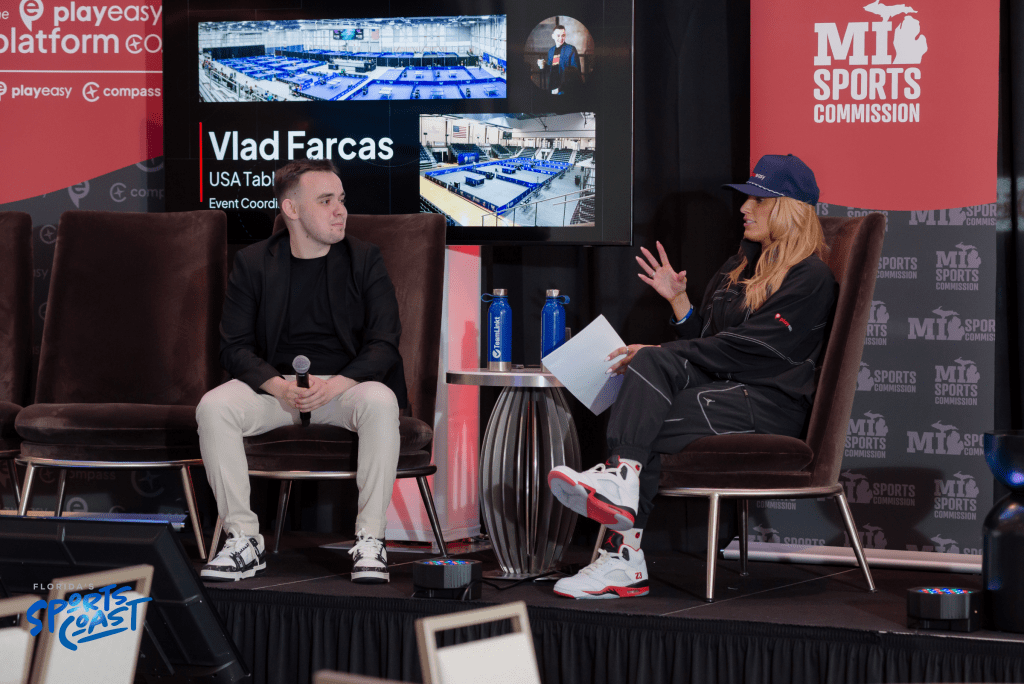
Vlad Farcas, USA Table Tennis – USAT hosts about a dozen national events directly and sanctions over 300 more, with flagship events like US Nationals and the US Open drawing 1,000+ players. USAT just won the bid for the World Masters Championship and has an open RFP for the 2027 US Nationals, needing 90,000–150,000 square feet with room for its own flooring and strong built-in lighting. Vlad pointed to Texas as an example of a market that became a table tennis hub after hosting Worlds in Houston in 2021 – proof that hosting can build a lasting legacy for a destination, not just a one-time event.
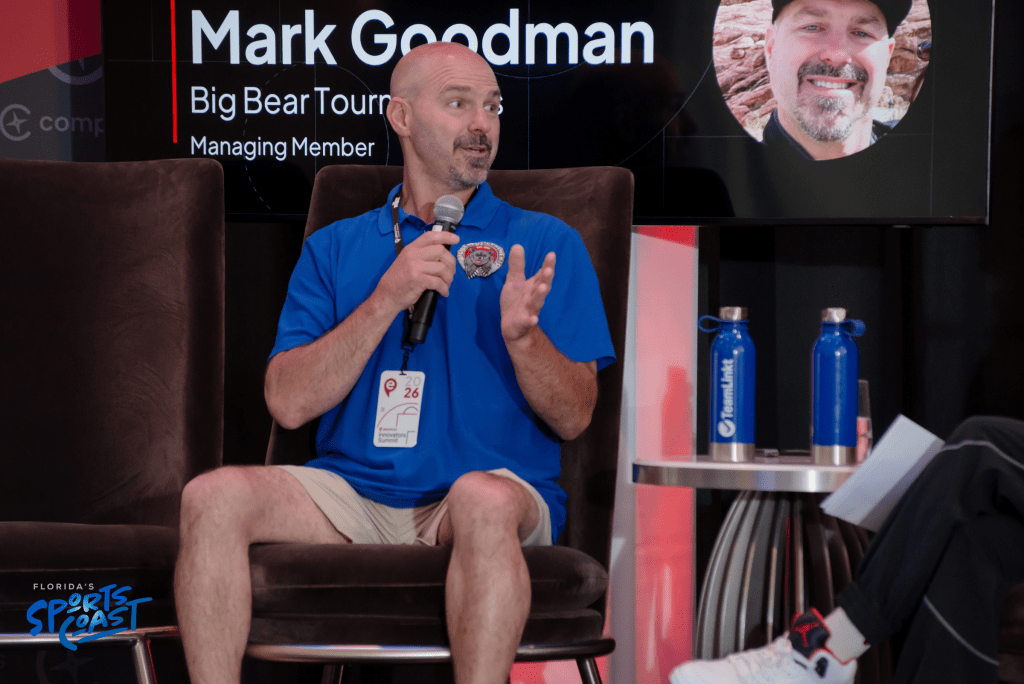
Mark, Big Bear Tournaments – Since taking over the company in 2022, Mark and his wife have rebuilt Big Bear into an 11-state youth hockey operation running 65–70 tournaments a year for teams from 8U to 18U. Mark’s pitch to destinations centers on the “hockey vacation” experience – hotel amenities, breakfast, and a working pool matter as much as ice time to traveling families. Big Bear piloted Compass on a tournament with the Ann Arbor Sports Commission and called the reception strong, and is now eyeing growth into the mid-Atlantic and further west.
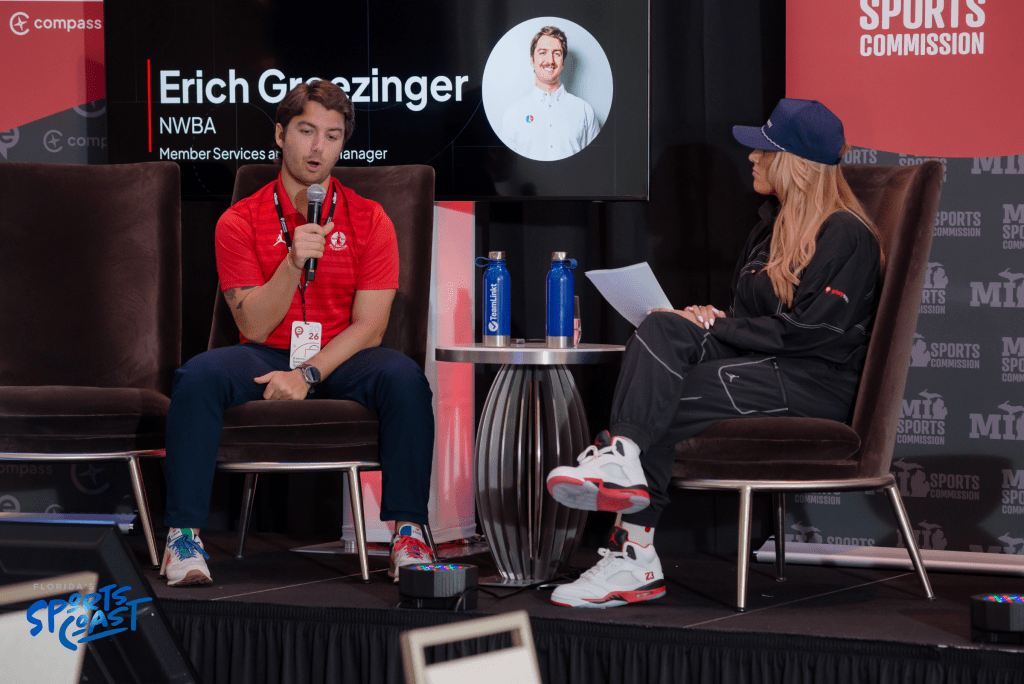
Eric, National Wheelchair Basketball Association – NWBA governs 250+ teams and runs 150+ events from October through April, capped by national championships each spring. Eric’s advice for host cities starts with airports – often an athlete’s first and last impression — followed by venue accessibility and hotels with extra space in standard rooms. He named Visit Monroe, Louisiana as a standout partner, crediting them for coordinating with local restaurants to adjust seating and adding handicapped parking ahead of NWBA’s 2026 national championship. NWBA has an open RFP for its 2027 intercollegiate national championship (March 16–20), seeking a single championship-court venue.
The through-line, echoing Part 1: relationships and responsiveness matter more than facility size, transparency beats overpromising, and the destinations willing to grow alongside an organization – not just host it once – are the ones building something lasting.
Watch now.
